Blog Post

Melon Systems Prototype

Berstron  Melon systems

Prototype time

https://www.youtube.com/watch?v=jWY3O5uDUmk

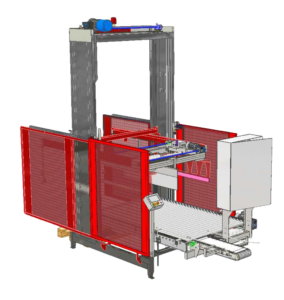
Welcome to our latest video showcasing a prototype of a cutting-edge unloader for melon processing. This revolutionary technology utilizes 3D vision and AI software to efficiently and effectively remove melons from a pallet-sized case.

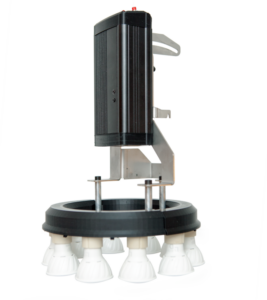
As you can see, the unloader uses a series of suction cups to pick up individual melons from the case. The 3D vision system provides real-time feedback to the AI software, allowing it to accurately locate each melon and determine the optimal suction point for lifting it out of the crate. This ensures that the melons are removed from the case quickly and with minimal damage.

Once the melons are removed from the case, they are gently held by the suction cups as they are transported to a conveyor belt for further sorting and grading. This process is designed to minimize bruising and other forms of damage that can occur during traditional manual handling.

The unloader’s use of 3D vision and AI software has several key advantages over traditional methods. For one, it greatly reduces the risk of human error during the unloading process. Additionally, it can process large volumes of melons in a fraction of the time it would take for manual labor.

But the benefits of this technology don’t end there. By using suction cups to handle the melons, the unloader is able to maintain a more hygienic processing environment. This is because the cups can be easily cleaned and sanitized between uses, reducing the risk of cross-contamination.

In addition to its practical applications, this technology is also an exciting development for the wider world of automation and artificial intelligence. By showcasing the ways in which AI and machine learning can be used to optimize complex processes like melon handling, we are paving the way for a future in which machines and humans work together more seamlessly than ever before.

Overall, this prototype unloader for melon processing represents a major step forward in the world of automation and AI. Its use of 3D vision and AI software ensures that melons are handled quickly, efficiently, and with minimal damage. And with its potential for customization and scalability, it’s clear that this technology has the potential to revolutionize the way we approach a wide range of complex processes in the years to come.


Keywords

Prototype, Berstron, Melon, Palletizer, 3D vision, AI software, Suction cups, Conveyor belt, Sorting, Grading, Hygienic, Processing environment, Automation, Artificial intelligence, Machine learning, Optimization, Complex processes, Scalability, Future technology

Advantages of GPS-Assisted Tractors

Revolutionizing Farming:

The Advantages of GPS-Assisted Tractors and Add-On Kits


Contents

Introduction: 1

  1. The Main Features and Capabilities of GPS-Assisted Tractors
  2. Differences Between GPS-Assisted Tractors and Traditional Tractors
  3. The Benefits of GPS Technology in Agriculture
  4. Enhancing Traditional Tractors with Add-On Kits
  5. Specific Examples of GPS Technology Improving Efficiency in Farming
  6. Cost Savings and Environmental Advantages
  7. Potential Challenges and Limitations
  8. Conclusion


Introduction:


In recent years, the agriculture industry has witnessed a remarkable technological advancement that has revolutionized farming practices – GPS-assisted tractors. These cutting-edge machines, equipped with sophisticated add-on kits, have become indispensable tools for modern farmers. In this article, we will explore the features, benefits, and potential challenges associated with GPS-assisted tractors and shed light on the advantages of using add-on kits to convert traditional tractors into GPS-assisted ones.


1.     The Main Features and Capabilities of GPS-Assisted Tractors:


GPS-assisted tractors are equipped with Global Positioning System (GPS) technology, which enables them to precisely determine their location and navigate with accuracy. These tractors integrate GPS receivers, antennas, and onboard computers to gather and process real-time data. The key features and capabilities of GPS-assisted tractors include:

– Auto-steering: The tractor can autonomously steer itself along pre-programmed routes, minimizing operator fatigue and improving accuracy.

– Field mapping: GPS technology allows farmers to create detailed maps of their fields, marking areas that require specific attention or treatments.

– Precision application: With the help of GPS, farmers can precisely apply fertilizers, pesticides, and herbicides, reducing waste and optimizing resource utilization.

– Yield monitoring: GPS-assisted tractors can collect data on crop yield, providing valuable insights for future planning and decision-making.


2.     Differences Between GPS-Assisted Tractors and Traditional Tractors:


Compared to traditional tractors, GPS-assisted tractors offer a range of benefits in terms of functionality and performance. Traditional tractors rely heavily on manual guidance, which can result in overlapping or missed areas during field operations. GPS-assisted tractors, on the other hand, offer precise navigation, minimizing overlaps and ensuring complete coverage. This not only improves operational efficiency but also reduces input costs by preventing unnecessary application of resources.


3.     The Benefits of GPS Technology in Agriculture:


The integration of GPS technology into tractors has transformed farming practices in numerous ways:

– Enhanced productivity: GPS-assisted tractors enable farmers to optimize their operations, reduce time wastage, and increase overall productivity. With accurate positioning and auto-steering capabilities, farmers can work longer hours and cover more ground, leading to higher yields.

– Improved efficiency: By eliminating guesswork and enabling precision application, GPS technology minimizes resource wastage, such as fertilizers and chemicals. This reduces costs and minimizes the environmental impact of farming practices.

– Advanced data collection and analysis: GPS-assisted tractors provide valuable data on field conditions, yield variations, and equipment performance. Farmers can use this data to make informed decisions, adjust their strategies, and optimize their farming practices.


4.     Enhancing Traditional Tractors with Add-On Kits:


For farmers who already own traditional tractors, there’s no need to invest in entirely new equipment to enjoy the benefits of GPS technology. Add-on kits provide a cost-effective solution to convert existing tractors into GPS-assisted ones. These kits typically consist of several components, including a GPS antenna, servo systems to steer the tractor, a tablet running the guidance/driving/mapping software, and a base antenna for achieving high accuracy.


The GPS antenna is mounted on the tractor’s roof or cab and receives signals from satellites, allowing the tractor to determine its precise location. This information is then processed by the onboard computer, which interfaces with the tractor’s steering system through servo systems. These servo systems provide automated steering control, enabling the tractor to follow predefined paths with remarkable precision.


The tablet serves as the control center, running specialized software that integrates GPS data, field mapping, and guidance functionalities. Farmers can input specific field parameters, create boundary maps, and define optimal paths for various operations such as planting, spraying, or harvesting. The tablet provides real-time feedback, displaying the tractor’s position, speed, and other essential information.


To achieve high accuracy, add-on kits often include a base antenna that serves as a reference point for the tractor’s GPS system. The base antenna receives signals from the same satellites as the tractor’s GPS antenna but remains stationary in a known location. By comparing the signals received by the tractor’s GPS antenna with those received by the base antenna, the system can correct for any errors or deviations, resulting in highly accurate positioning with 3cm accuracy.


The installation of these add-on kits is typically straightforward, and they can be adapted to fit various tractor models and sizes. Farmers can choose add-on kits that best suit their needs and budget, allowing them to upgrade their existing equipment and reap the benefits of GPS-assisted farming without the significant expense of purchasing new machinery.


By converting traditional tractors into GPS-assisted ones using these add-on kits, farmers can unlock the potential of precision agriculture, improve operational efficiency, and maximize yields while minimizing input costs and environmental impact.


5.     Specific Examples of GPS Technology Improving Efficiency in Farming:


GPS-assisted tractors have transformed various farming operations. For instance, during planting, GPS technology enables precise row spacing, minimizing seed waste and ensuring uniform crop emergence. In spraying applications, GPS guidance ensures accurate coverage, preventing overlapping and reducing chemical usage. Harvesting becomes more efficient as GPS-assisted tractors can create precise field maps, guiding operators to


6.     Cost Savings and Environmental Advantages:


The adoption of GPS-assisted tractors, facilitated by add-on kits, brings notable cost savings and environmental advantages. By precisely applying inputs such as fertilizers, pesticides, and herbicides, farmers can minimize wastage, reduce their reliance on chemicals, and save on operational costs. Additionally, the optimized use of resources contributes to sustainable farming practices, minimizing the environmental impact associated with excess usage.


7.     Potential Challenges and Limitations:


While GPS-assisted tractors offer numerous benefits, it’s essential to acknowledge potential challenges. Connectivity issues, such as poor satellite signal reception in certain terrains, can affect the accuracy of GPS guidance. Additionally, the initial investment for add-on kits and the need for training operators to effectively use the GPS-assisted features may pose hurdles for some farmers. However, as technology continues to advance and adoption increases, these challenges are being addressed through improved connectivity solutions and increased accessibility of user-friendly software.


8.     Conclusion:


GPS-assisted tractors, along with add-on kits, have revolutionized modern farming practices. By harnessing the power of GPS technology, farmers can optimize their operations, increase productivity, and make informed decisions based on accurate data. Add-on kits provide a cost-effective way to upgrade existing tractors, ensuring that all farmers can benefit from the advantages of GPS-assisted farming. As technology continues to advance, the future of agriculture looks promising, with GPS-assisted tractors playing a crucial role in sustainable and efficient food production.


Fruit Sorting Technology

Berstron’s Advanced Fruit Sorting Technology

The world of fruit sorting technology has witnessed remarkable progress in recent years. Machines designed to meticulously sort fruits based on characteristics such as color, weight, shape, size, defects, and more have become an integral part of today’s agricultural practices. These machines not only streamline operations but also significantly reduce waste, enhance productivity, and ensure food quality.


Pioneering the way forward in this sector is Berstron, a company with a rich history of over 35 years in the fruit industry. Berstron prides itself on offering a comprehensive range of innovative products, specifically tailored to cater to the distinct needs of their clients. Their product range includes everything from palletizers and AI-driven sorting systems to efficient harvesters and precise fruit labeling solutions. By building all its products in-house, Berstron ensures unrivaled quality and functionality.


Fruit sorting machines are revolutionizing the industry in terms of cost reduction and efficiency. Approximately 6 billion tons of food are lost or wasted globally each year. However, high-quality fruit sorting machines significantly minimize this waste, enhancing the quality of the fruit, which is especially crucial for exports and overall business operations. This technology helps establish an efficient and effective supply chain system.


These machines are equipped with cutting-edge optical systems that include industry-leading cameras and innovative lighting setups. These features allow the machines to accurately sort fruits based on weight, size, shape, color, and quality, both externally and internally. This level of precision leads to improved productivity and quality assurance, providing businesses a solid return on their investment.


In conclusion, as the global demand for fruits continues to soar, the importance of efficient and reliable fruit sorting machines is

underscored. Leading companies like Berstron are at the forefront of providing innovative, dependable, and high-performance solutions for the fruit industry. Investing in such technology promises a future of improved efficiency, cost-effectiveness, and product quality.


Click here to read about our solution for you


Fruit Sorting Technology, Agricultural Practices, Food Quality, Berstron, Fruit Industry, Palletizers, AI-Driven Sorting Systems, Harvesters, Fruit Labeling Solutions, Off-Road Foldable Conveyor, Supply Chain System, Optical Systems, Quality Assurance, Return on Investment, High-Performance Solutions

Top 10 Palletizer Industry Questions Answered

Top 10 Palletizer Industry Questions Answered


At our company, we understand that the palletizer industry can be complex and overwhelming, especially for those who are new to it. That’s why we’ve put together this comprehensive guide to answer the top 10 most frequently asked questions in the palletizer industry.

What is a Palletizer?

A palletizer is a machine used in the packaging industry that is responsible for stacking and organizing products onto pallets for transport or storage. Palletizers can be fully automated or semi-automated, depending on the complexity of the job.


How Does a Palletizer Work?

Palletizers operate by taking products from a conveyor belt and arranging them in a predetermined pattern onto a pallet. They can use various techniques to accomplish this, such as robotic arms, vacuum grippers, or even simple pushers.


What are the Benefits of Using a Palletizer?

Palletizers offer numerous benefits to businesses in the packaging industry, including increased efficiency, reduced labor costs, and improved safety. By automating the palletizing process, businesses can increase their output and reduce the risk of injuries caused by manual labor.


What Types of Palletizers are Available?

There are several types of palletizers available on the market, including conventional palletizers, robotic palletizers, and hybrid palletizers. Each type has its own set of advantages and disadvantages, depending on the specific needs of the business.


How Do I Choose the Right Palletizer for My Business?

When choosing a palletizer for your business, it’s important to consider factors such as production volume, product size and shape, and available floor space. It’s also important to work with a reputable supplier who can provide customized solutions to meet your specific needs.


What Maintenance is Required for a Palletizer?

Like any piece of machinery, palletizers require regular maintenance to ensure they continue to operate efficiently and effectively. This can include cleaning, lubrication, and replacing worn or damaged parts. It’s important to follow the manufacturer’s recommended maintenance schedule to avoid downtime or costly repairs.


What is the Cost of a Palletizer?

The cost of a palletizer can vary greatly depending on factors such as the type of palletizer, its capacity, and the level of automation required. However, businesses can often recoup the cost of a palletizer through increased efficiency and reduced labor costs over time.


How Do I Install a Palletizer?

The installation process for a palletizer can vary depending on the specific model and the layout of the facility. It’s important to work with a qualified installation team who can ensure the palletizer is installed correctly and meets all safety requirements.


How Can I Ensure the Safety of My Employees When Using a Palletizer?

Ensuring the safety of employees when using a palletizer is essential. This can include providing proper training on the operation of the palletizer, following safety guidelines and protocols, and regularly inspecting and maintaining the equipment.


What Are Some Common Challenges Faced in the Palletizer Industry?

Some common challenges faced in the palletizer industry include managing the high volume of products, maintaining accuracy and precision, and ensuring safety and compliance with regulations. Working with an experienced supplier can help businesses overcome these challenges and achieve their production goals.


In conclusion,

The palletizer industry can be complex and overwhelming for those who are new to it. However, by understanding the basics of palletizers and their benefits, businesses can improve their efficiency, reduce labor costs, and improve safety. Choosing the right palletizer for your business and maintaining it properly can also help ensure long-term success.

At our company, we specialize in providing customized palletizer solutions to meet the specific needs of our clients. With our expertise and experience in the industry, we can help businesses overcome common challenges and achieve their production goals. Contact us today to learn more about our palletizer solutions and how we can help your business thrive.

GPS-Assisted Tractors

The Rise of GPS-Assisted Tractors, Revolutionizing Farming Practices

In today’s ever-evolving agricultural landscape, technology continues to drive innovation and transform traditional farming practices. One notable advancement that has gained widespread recognition is the integration of GPS technology into tractors. With GPS-assisted tractors, farmers can achieve unprecedented levels of precision, efficiency, and productivity. In this article, we delve into the revolutionary impact of GPS-assisted tractors, exploring their features, benefits, and the transformative effects on modern farming practices.

The Features and Capabilities of GPS-Assisted Tractors

GPS-assisted tractors incorporate cutting-edge technology to enhance their functionality and performance. Equipped with GPS receivers, antennas, and onboard computers, these tractors offer a wide array of features and capabilities. Auto-steering allows the tractor to autonomously follow pre-programmed routes, reducing operator fatigue while improving accuracy. Field mapping empowers farmers to create detailed field maps, identifying areas requiring specific treatments or attention. Precision application ensures optimal resource utilization by accurately applying fertilizers, pesticides, and herbicides, resulting in reduced waste and improved cost-effectiveness. Additionally, yield monitoring enables farmers to collect valuable data on crop yields, facilitating informed decision-making for future planning.

The Benefits of GPS Technology in Agriculture

GPS technology has revolutionized the agricultural industry, providing farmers with numerous benefits. First and foremost, it enhances productivity by optimizing farming operations, reducing time wastage, and increasing overall output. The precision and accuracy achieved through GPS-assisted tractors result in better crop health and improved yields. Moreover, the advanced data collection and analysis capabilities of GPS technology empower farmers to make data-driven decisions, fine-tuning their strategies, and maximizing efficiency.

Converting Traditional Tractors with Add-On Kits

Farmers who already own traditional tractors can harness the advantages of GPS technology by utilizing add-on kits. These kits include GPS antennas, servo systems for steering, tablets running specialized software, and base antennas for achieving high accuracy. By installing these add-on kits, farmers can transform their existing tractors into GPS-assisted ones, unlocking the potential of precision agriculture without the need for substantial investment in new machinery.

The Future of GPS-Assisted Farming

As technology continues to advance, the future of GPS-assisted farming holds tremendous promise. Integration with other emerging technologies, such as artificial intelligence and data analytics, will further enhance the capabilities of GPS-assisted tractors. Improved connectivity solutions will address challenges related to signal reception in remote areas, ensuring uninterrupted GPS guidance. With increased accessibility and user-friendly interfaces, GPS-assisted farming will become more accessible to farmers of all scales, contributing to sustainable and efficient food production.

Conclusion:

GPS-assisted tractors have emerged as game-changers in the agricultural industry, revolutionizing traditional farming practices. With their precise navigation, auto-steering capabilities, and advanced data collection, these tractors enable farmers to achieve higher productivity, reduce input costs, and make informed decisions based on accurate data. By leveraging add-on kits, farmers can upgrade their existing tractors and unlock the transformative potential of GPS technology. As we look to the future, the continuous evolution of GPS-assisted farming holds


GPS-assisted tractors, Precision farming, GPS technology in agriculture, Auto-steering tractors, Farming with GPS, GPS-guided tractors, Precision agriculture, Add-on kits for tractors, GPS mapping for farmers
Benefits of GPS in farming, Increased productivity in farming, Efficiency of GPS-assisted tractors, Precision application in agriculture, Transforming farming practices, Future of GPS-assisted farming

The Future of Farming

The Future of Farming: Unleashing the Power of AI in Agriculture

Artificial Intelligence (AI) is revolutionizing various industries, and agriculture is no exception. From enhancing crop yields to monitoring livestock health, AI is transforming the way we farm and addressing some of the most pressing challenges in the industry. In this comprehensive guide, we’ll delve deeper into how AI is used in agriculture, how it’s disrupting the industry, which countries are leading in its use, and how it’s paving the way for autonomous farming.

How is AI used in agriculture?

AI is used in agriculture in numerous ways, each contributing to a more efficient and productive farming industry.

Enhanced Surveillance Systems: AI and Machine Learning (ML)-based surveillance systems are becoming increasingly popular in the agricultural sector. These systems monitor crop fields in real-time, identifying any breaches by animals or humans and sending immediate alerts. This technology helps to prevent crop destruction and break-ins at remote farm locations, ensuring the safety and security of both the crops and the farming equipment.


Improved Crop Yield Predictions: AI and ML are also used to analyze data from in-ground sensors and drones to predict crop yields. This real-time data, combined with visual analytics, provides farmers with unprecedented insights into their crops’ health and growth patterns. With this information, farmers can optimize their farming strategies, leading to increased yields and reduced waste.


Advanced Pest Management: AI is playing a crucial role in pest management. By using drone data combined with in-ground sensors, AI can predict and identify pest infestations before they occur. This proactive approach saves crops from potential damage, reducing losses and ensuring a healthier yield.


Smart Farming Machinery: With a shortage of agricultural workers, AI and ML-based smart tractors, agribots, and robotics have become a viable option for many remote agricultural operations. These machines can distribute fertilizer, monitor crop health, and provide security around the perimeter of remote locations, reducing the need for human labor and increasing efficiency.


Improved Supply Chain Track-and-Traceability: AI is being used to improve the track-and-traceability of agricultural supply chains, ensuring fresher and safer crops reach the market. This technology reduces inventory shrinkage by providing greater visibility and control across supply chains, leading to more efficient operations and reduced waste.


Optimized Use of Pesticides: AI and ML are being used to determine the optimal mix of biodegradable pesticides and limit their application to only the areas that need treatment. This targeted approach reduces costs while increasing yields, making farming more sustainable and environmentally friendly.


Price Forecasting: AI and ML are used to predict crop prices based on yield rates. This information helps agricultural firms, co-ops, and farmers negotiate for the best possible price for their harvests, ensuring a fair and profitable market for all involved.


Efficient Irrigation Systems: AI is being used to find irrigation leaks, optimize irrigation systems, and measure how effective frequent crop irrigation improves yield rates. This technology ensures fields and crops get enough water to optimize yields without wasting any in the process, leading to more sustainable farming practices.


Livestock Health Monitoring: AI and ML are being used to monitor livestock’s health, including vital signs, daily activity levels, and food intake. This technology provides invaluable insights into how livestock can be best treated for the long-term, ensuring healthier animals and higher quality produce.


How is AI disrupting agriculture?

AI is disrupting agriculture by introducing data-driven decision-making, predictive analytics, and automation. It’s helping farmers optimize their farming strategies, reduce costs, increase yields, and manage their supply chains more effectively. AI is also paving the way for autonomous farming, where machines take over manyof the tasks traditionally performed by humans. This not only reduces the need for manual labor but also increases the precision and efficiency of these tasks, leading to higher yields and lower costs.

Moreover, AI is enabling farmers to make more informed decisions about their crops. By analyzing data from various sources, AI can predict future trends, identify potential issues before they become problematic, and provide recommendations for improvement. This level of insight and foresight was previously unheard of in the agriculture industry, and it’s changing the way farmers operate.

Which countries use AI in agriculture?

Countries around the world are embracing AI in agriculture. The United States, Canada, Australia, China, and several European countries, including the Netherlands and France, are leading the way in implementing AI technologies in their agricultural sectors. These countries are investing heavily in AI research and development, recognizing its potential to transform the agriculture industry.

In the United States, for example, AI is being used to optimize irrigation systems, monitor crop health, and predict yield rates. In China, AI is being used to automate farming tasks and improve pest management. In the Netherlands, AI is being used to enhance dairy farming, with systems that monitor cow health and optimize milk production.

How can we use AI for autonomous farming?

AI is the driving force behind autonomous farming. AI-powered machinery can perform tasks such as sowing seeds, distributing fertilizer, and harvesting crops. Drones equipped with AI can monitor crop health, identify pest infestations, and even pollinate crops. AI can also be used to automate irrigation systems, ensuring crops get the right amount of water at the right time.

Autonomous farming is not just about automating manual tasks; it’s about making farming more efficient, sustainable, and profitable. By automating routine tasks, farmers can focus on more strategic aspects of their business, such as planning for the future, researching new farming techniques, and exploring new markets.

Moreover, autonomous farming can help address some of the challenges facing the agriculture industry, such as labor shortages and environmental concerns. By reducing the need for manual labor, autonomous farming can help fill the labor gap. And by optimizing resource use, it can help make farming more sustainable.

In conclusion, AI is proving to be a game-changer in the field of agriculture. As we move forward, we can expect these technologies to play an even more significant role in shaping the future of agriculture. Whether it’s enhancing crop yields, improving pest management, or paving the way for autonomous farming, AI is transforming agriculture as we know it.


AI in agriculture, artificial intelligence, machine learning, autonomous farming, crop yield predictions, pest management, smart farming machinery, supply chain track-and-traceability, efficient irrigation systems, livestock health monitoring, price forecasting, AI-powered machinery, AI-equipped drones.

Unleashing the Power of AI in Agriculture

Unleashing the Power of AI in Agriculture: A Comprehensive Guide

Artificial Intelligence (AI) is revolutionizing various industries, and agriculture is no exception. From enhancing crop yields to monitoring livestock health, AI is transforming the way we farm and addressing some of the most pressing challenges in the industry. In this blog post, we’ll explore how AI is used in agriculture, how it’s disrupting the industry, which countries are leading in its use, and how it’s paving the way for autonomous farming.


How is AI used in agriculture?

AI is used in agriculture in numerous ways:

  1. Enhanced Surveillance Systems: AI and ML-based surveillance systems monitor crop fields in real-time, identifying any breaches by animals or humans and sending immediate alerts.
  2. Improved Crop Yield Predictions: AI and ML analyze data from in-ground sensors and drones to predict crop yields, providing farmers with unprecedented insights.
  3. Advanced Pest Management: AI is used in combination with drone data and in-ground sensors to predict and identify pest infestations before they occur.
  4. Smart Farming Machinery: AI and ML-based smart tractors, agribots, and robotics are becoming a viable option for many remote agricultural operations.
  5. Improved Supply Chain Track-and-Traceability: AI improves the track-and-traceability of agricultural supply chains, ensuring fresher and safer crops reach the market.
  6. Optimized Use of Pesticides: AI and ML determine the optimal mix of biodegradable pesticides and limit their application to only the areas that need treatment.
  7. Price Forecasting: AI and ML predict crop prices based on yield rates, helping agricultural firms negotiate for the best possible price for their harvests.
  8. Efficient Irrigation Systems: AI finds irrigation leaks, optimizes irrigation systems, and measures how effective frequent crop irrigation improves yield rates.
  9. Livestock Health Monitoring: AI and ML monitor livestock’s health, providing invaluable insights into how livestock can be best treated for the long-term.


How is AI disrupting agriculture?

AI is disrupting agriculture by introducing data-driven decision-making, predictive analytics, and automation. It’s helping farmers optimize their farming strategies, reduce costs, increase yields, and manage their supply chains more effectively. AI is also paving the way for autonomous farming, where machines take over many of the tasks traditionally performed by humans.


Which countries use AI in agriculture?

Countries around the world are embracing AI in agriculture. The United States, Canada, Australia, China, and several European countries, including the Netherlands and France, are leading the way in implementing AI technologies in their agricultural sectors.


How can we use AI for autonomous farming?

AI is the driving force behind autonomous farming. AI-powered machinery can perform tasks such as sowing seeds, distributing fertilizer, and harvesting crops. Drones equipped with AI can monitor crop health, identify pest infestations, and even pollinate crops. AI can also be used to automate irrigation systems, ensuring crops get the right amount of water at the right time.


In conclusion, AI is proving to be a game-changer in the field of agriculture. As we move forward, we can expect these technologies to play an even more significant role in shaping the future of agriculture.


AI in agriculture, artificial intelligence, machine learning, autonomous farming, crop yield predictions, pest management, smart farming machinery, supply chain track-and-traceability, efficient irrigation systems, livestock health monitoring, price forecasting, AI-powered machinery, AI-equipped drones.
The Importance of Fruit Labels

In this article, we will delve into the topic of fruit labels, their importance, and how they can benefit your business. We will also provide useful tips on how to choose the best fruit label manufacturer for your needs, and highlight key features to look out for.


The Importance of Fruit Labels

Fruit labels play a crucial role in the marketing and branding of fruit products. They are used to provide essential information about the fruit, such as its type, origin, weight, and nutritional information. Consumers rely on this information to make informed purchasing decisions, and a well-designed fruit label can help to attract and retain customers.


In addition to providing essential information, fruit labels also serve as a branding tool. They can help to differentiate your fruit products from those of your competitors and create a unique identity for your brand. A well-designed fruit label can help to create a positive perception of your product and enhance your brand image.


Choosing the Best Fruit Label Manufacturer

Choosing the best fruit label manufacturer is essential to ensure that you get high-quality labels that meet your needs. Here are some key factors to consider when selecting a fruit label manufacturer:


Quality of Labels

The quality of fruit labels is paramount to ensure that they meet regulatory requirements and look professional. A reputable fruit label manufacturer should use high-quality materials and printing techniques to produce labels that are durable, legible, and visually appealing.


Customization Options

Every fruit product is unique, and your fruit label should reflect this. Look for a fruit label manufacturer that offers a range of customization options, such as size, shape, color, and design. This will enable you to create a label that is tailored to your specific needs and helps your fruit products stand out from the competition.


Pricing

Pricing is an essential factor to consider when selecting a fruit label manufacturer. Look for a manufacturer that offers competitive pricing without compromising on the quality of the labels.


Turnaround Time

Timely delivery of fruit labels is critical to ensure that your fruit products reach the market on time. Look for a manufacturer that has a quick turnaround time and can deliver labels within your desired timeframe.


The Best Fruit Label Manufacturers

After extensive research and analysis, we have identified some of the best fruit label manufacturers in the industry:


Sinclair International

We provide high speed hand label machines for these specific high-quality labels for many years now. They are a first choice for many highly automated labeling systems.


ABC Label Company

ABC Label Company is a leading fruit label manufacturer that offers a wide range of customizable labels. They use high-quality materials and printing techniques to produce labels that are durable, legible, and visually appealing. ABC Label Company has a quick turnaround time and offers competitive pricing.


Pacific Southwest Label

Pacific Southwest Label is another top-rated fruit label manufacturer that specializes in custom labels for the produce industry. They use the latest printing technology to produce labels that are of the highest quality. Pacific Southwest Label offers a quick turnaround time and competitive pricing.


Consolidated Label

Consolidated Label is a reputable fruit label manufacturer that offers a wide range of customizable labels. They use high-quality materials and printing techniques to produce labels that are durable, legible, and visually appealing. Consolidated Label has a quick turnaround time and offers competitive pricing.


Conclusion

In conclusion, fruit labels play a vital role in the marketing and branding of fruit products. A well-designed fruit label can help to attract and retain customers and create a positive perception of your product. Choosing the best fruit label manufacturer is essential to ensure that you get high-quality labels that meet your needs. We hope that our article has provided useful information to help you choose the best fruit label manufacturer for your business.

palletizer equipment manufacturer

Automate Your Palletizing Process with the Best Manufacturer for Your Business

If you’re in the business of packaging and shipping products, then you know how important it is to have reliable equipment that can handle the job efficiently. One key piece of equipment that can make a big difference in your operations is a palletizer. Palletizers are machines that automate the process of stacking and arranging products onto pallets, making it easier and faster to move large quantities of goods.

But with so many palletizer equipment manufacturers out there, how do you choose the best one for your business? In this article, we’ll cover some key factors to consider when selecting a palletizer manufacturer.


Introduction:

When it comes to palletizing, there are a lot of options out there. From manual methods to semi-automated systems to fully automated palletizers, there’s a machine to fit any size and type of operation. And with so many manufacturers offering different solutions, it can be overwhelming to decide which one is the right fit for your business.

However, making the right decision can have a significant impact on your productivity, efficiency, and overall success. In this article, we’ll discuss some key factors to consider when choosing a palletizer manufacturer so that you can find the best fit for your business.

What to Look for in a Palletizer Equipment Manufacturer

When choosing a palletizer equipment manufacturer, there are a few important things to consider:

  1. Experience and Expertise It’s essential to choose a manufacturer with extensive experience in palletizing equipment. An experienced manufacturer will be able to guide you through the process of choosing the right equipment for your needs and offer insights and suggestions based on their industry knowledge. They should also have a track record of producing reliable and high-quality machines.
  2. Customization and Flexibility No two businesses are the same, and a one-size-fits-all approach rarely works when it comes to palletizing equipment. Look for a manufacturer that can offer customization options and flexibility in their equipment. They should be able to adjust their machines to fit your unique requirements, whether that’s accommodating different pallet sizes, stack heights, or product types.
  3. After-Sales Support Palletizing equipment is a significant investment, so it’s essential to choose a manufacturer that offers good after-sales support. This includes not only repair and maintenance services but also training and technical support to ensure your employees can operate and maintain the equipment correctly.
  4. Industry Reputation and Customer Reviews Lastly, it’s always a good idea to do some research on a manufacturer’s reputation and read customer reviews. Look for manufacturers with a solid reputation in the industry, as well as positive feedback from other businesses who have used their equipment.


Types of Palletizers Offered by Manufacturers

Palletizer manufacturers offer a variety of different machines, each with their own unique features and benefits. Here are some of the most common types of palletizers you’ll come across:

  1. High-Level Palletizers High-level palletizers are designed to stack products onto pallets at high speeds, making them ideal for high-volume operations. They typically use a combination of conveyors and robotic arms to move and stack products, and can handle a variety of different product types and sizes.
  2. Low-Level Palletizers Low-level palletizers are a more compact and cost-effective option, ideal for smaller operations or those with limited floor space. They typically use a combination of gravity and mechanical systems to stack products onto pallets, and can handle a range of different product types and sizes.
  3. Robotic Palletizers Robotic palletizers use robotic arms to automate the palletizing process. They offer high levels of flexibility and customization, making them ideal for a wide range of applications. They can be programmed to handle different products, pallet sizes, and stacking patterns, and can operate at high speeds with minimal downtime.


Factors to Consider When Choosing a Type of Palletizer

When choosing a type of palletizer, there are several factors to consider, including:

  1. Production Volume The type of palletizer you choose will depend on the volume of products you need to palletize. For high-volume operations, an automated palletizer may be the best choice, while for smaller operations, a manual or low-level palletizer may be sufficient.
  2. Product Type and Size Different types of palletizers are designed to handle different product types and sizes. Make sure to choose a palletizer that can handle your specific products and packaging materials.
  3. Available Floor Space The size of your facility and available floor space will also be a factor in choosing a palletizer. High-level palletizers require more space than low-level palletizers, so make sure to choose a machine that fits within your available space.
  4. Cost The cost of a palletizer can vary greatly depending on the type and manufacturer. Consider your budget and long-term ROI when choosing a palletizer.

Conclusion

Choosing the right palletizer equipment manufacturer can make a significant difference in the efficiency and productivity of your operations. By considering factors such as experience, customization options, after-sales support, and industry reputation, you can find a manufacturer that will meet your unique needs.

Automatic Palletizers Automatic palletizers are designed to handle large volumes of products with minimal human intervention. They can operate continuously and efficiently, making them ideal for high-volume operations. They use a combination of conveyor systems and robotic arms to move and stack products onto pallets, and can handle a variety of product types and sizes.Manual Palletizers Manual palletizers are the most basic type of palletizing equipment, and they require human intervention to stack products onto pallets. They are suitable for smaller operations or those with a lower volume of products. They are also a more affordable option compared to automated palletizers.


en_US